Buy liart.eu ?
We are moving the project
liart.eu .
Are you interested in purchasing the domain
liart.eu ?
domain@kv-gmbh.de · 0541-91531010
Buy liart.eu ?
What are T-helper cells and T-killer cells?
T-helper cells, also known as CD4+ cells, are a type of white blood cell that play a crucial role in the immune system by coordinating the immune response. They help activate and direct other immune cells, such as B cells and T-killer cells, to fight off infections. T-killer cells, also known as cytotoxic T cells, are another type of white blood cell that are responsible for directly killing infected cells or cancer cells in the body. Together, T-helper cells and T-killer cells work in harmony to mount an effective immune response against pathogens. **
Do T-killer cells arise from T-lymphocytes due to the activation of T-helper cells?
No, T-killer cells do not arise from T-lymphocytes due to the activation of T-helper cells. T-killer cells, also known as cytotoxic T cells, are a subset of T-lymphocytes that are activated by the recognition of specific antigens presented by antigen-presenting cells. Once activated, T-killer cells can directly kill infected or abnormal cells. T-helper cells, on the other hand, play a different role in the immune response by helping to activate other immune cells, including T-killer cells, through the release of cytokines. **

Similar search terms for T cells
Top-Angebote
Products related to T cells:
-
Smart Shopping Spot Divided Serving Tray With Lid Compartment Snack And Food Storage Container, Fruit Storage Box For Organized Snacking beige 4 CellsLooking for a way to keep your snacks fresh and neatly organized Our Divided Serving Tray with Lid is designed for ultimate convenience and style. Perfect for those who love having multiple snack options ready to go, this storage container features...39,97 $*Shipping: 0,00 $Secure redirect to the provider
-
Uplifted Finds The Control Circle Archetype Social Worker Empowerment Canvas Executive Office & Wellness Sanctuary Decor 13 X 18 Cm No Frame"Inaugurate a grounding ""MindfulnessSanctuary"" energy in your environment with our ""Control Circle"" Archetype Canvas. This premium Social Worker and Mental Health professional print is the ultimate designer solution for creating a ""ClinicalModern"" or..."41,97 $*Shipping: 0,00 $Secure redirect to the provider
-
Our Voices: Neighborhood & Community Boxed SetFoster a feeling of belonging while building key reading skills with these colorful storybooks that spotlight a variety of neighborhoods and communities. The 10 charming stories feature characters from different cultural backgrounds who learn about...30,59 $*Shipping: 0,00 $Secure redirect to the provider
-
Daily Discovery Women's Ribbed Crop Top V Neck Knit Summer Casual T Shirt gingerRefresh your everyday wardrobe with this stylish women's ribbed crop top that blends comfort with effortless fashion. Designed for women who love versatile essentials, this flattering Vneck knit top features a soft ribbed texture, cropped...39,97 $*Shipping: 0,00 $Secure redirect to the provider




-
What happens when T-helper cells are no longer present?
When T-helper cells are no longer present, the immune system's ability to coordinate an effective response to pathogens is compromised. This can lead to a weakened immune response, making the body more susceptible to infections and diseases. Without T-helper cells, other immune cells may not be properly activated, resulting in an inability to mount an appropriate immune response. This can have serious consequences for overall health and can lead to increased vulnerability to various illnesses. **
-
How does HIV virus cause damage to T-helper cells?
The HIV virus enters T-helper cells by binding to the CD4 receptor on the cell surface. Once inside the cell, the virus replicates and produces new viral particles, which can then infect other T-helper cells. This continuous cycle of infection and replication leads to a decline in the number of T-helper cells, weakening the immune system and making the body more susceptible to infections and diseases. Additionally, HIV can also directly cause cell death in T-helper cells, further contributing to the damage to the immune system. **
-
Why are liver cells animal cells?
Liver cells are animal cells because they are part of the tissue and organ system of animals. They are eukaryotic cells, meaning they have a true nucleus and membrane-bound organelles, which are characteristic of animal cells. Additionally, liver cells perform specific functions related to the metabolism and detoxification of substances within the body, which are essential for the survival and functioning of animals. Therefore, liver cells are classified as animal cells due to their structure, function, and role within the animal body. **
-
What are the differences between embryonic stem cells, omnipotent stem cells, adult stem cells, totipotent stem cells, and multipotent stem cells?
Embryonic stem cells are derived from embryos and have the potential to develop into any type of cell in the body. Omnipotent stem cells, also known as pluripotent stem cells, are similar to embryonic stem cells in that they can differentiate into any type of cell, but they are derived from adult tissues. Adult stem cells are found in various tissues and have the ability to differentiate into a limited range of cell types. Totipotent stem cells have the highest potential for differentiation and can develop into any type of cell, as well as into extraembryonic tissues such as the placenta. Multipotent stem cells can differentiate into a limited number of cell types, typically within a specific tissue or organ. **


What are egg cells and sperm cells?
Egg cells, also known as ova, are the female reproductive cells produced by the ovaries. They are larger than sperm cells and contain genetic material from the mother. Sperm cells, on the other hand, are the male reproductive cells produced by the testes. They are smaller and more numerous than egg cells, and contain genetic material from the father. When an egg cell is fertilized by a sperm cell, it forms a zygote, which eventually develops into a new organism. **
How do killer cells recognize infected body cells?
Killer cells, also known as cytotoxic T cells, recognize infected body cells through a process called antigen presentation. Infected cells display fragments of foreign proteins, known as antigens, on their surface using a protein called major histocompatibility complex (MHC) class I. Killer cells have receptors that can recognize these antigens when they are presented on the infected cell's surface. Once the killer cell identifies an infected cell, it releases toxic substances to destroy the infected cell and prevent the spread of the infection. **
Top-Angebote
Products related to T cells:
-
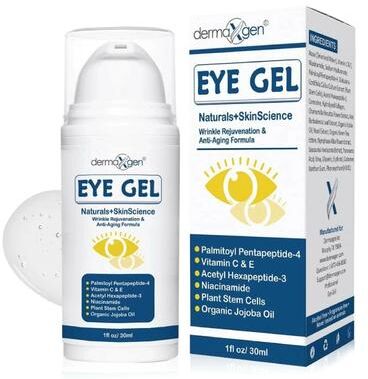
All Categories Goods Anti Aging Eye Gel With Matrixyl , Hyaluronic Acid & Plant Stem Cells Anti Aging Eye Gel With Matrixyl , Hyaluronic Acid & Plant Stem CellsLooking to reduce the appearance of dark circles, wrinkles, and puffiness around your eyes This antiaging eye gel is your goto solution. Powered by Matrixyl 3000, hyaluronic acid, and rejuvenating plant stem cells, this gel works wonders for...51,97 $*Shipping: 0,00 $Secure redirect to the provider
-
Multicon Wholesale Hub Anti Aging Under Eye Cream Gel For Dark Circles & Wrinkles, With Hyaluronic Acid & Plant Stem Cells Anti Aging Under Eye Cream Gel For Dark Circles & Wrinkles, With Hyaluronic Acid & Plant Stem CellsTired eyes and wrinkles can make you feel older than you are. This undereye cream gel is designed to revitalize the delicate skin around your eyes. Packed with hyaluronic acid and nourishing plant stem cells, it combats dark circles, puffiness, and...69,97 $*Shipping: 0,00 $Secure redirect to the provider
-
Smart Shopping Spot Divided Serving Tray With Lid Compartment Snack And Food Storage Container, Fruit Storage Box For Organized Snacking beige 4 CellsLooking for a way to keep your snacks fresh and neatly organized Our Divided Serving Tray with Lid is designed for ultimate convenience and style. Perfect for those who love having multiple snack options ready to go, this storage container features...39,97 $*Shipping: 0,00 $Secure redirect to the provider
-
Uplifted Finds The Control Circle Archetype Social Worker Empowerment Canvas Executive Office & Wellness Sanctuary Decor 13 X 18 Cm No Frame"Inaugurate a grounding ""MindfulnessSanctuary"" energy in your environment with our ""Control Circle"" Archetype Canvas. This premium Social Worker and Mental Health professional print is the ultimate designer solution for creating a ""ClinicalModern"" or..."41,97 $*Shipping: 0,00 $Secure redirect to the provider
-
What are T-helper cells and T-killer cells?
T-helper cells, also known as CD4+ cells, are a type of white blood cell that play a crucial role in the immune system by coordinating the immune response. They help activate and direct other immune cells, such as B cells and T-killer cells, to fight off infections. T-killer cells, also known as cytotoxic T cells, are another type of white blood cell that are responsible for directly killing infected cells or cancer cells in the body. Together, T-helper cells and T-killer cells work in harmony to mount an effective immune response against pathogens. **
-
Do T-killer cells arise from T-lymphocytes due to the activation of T-helper cells?
No, T-killer cells do not arise from T-lymphocytes due to the activation of T-helper cells. T-killer cells, also known as cytotoxic T cells, are a subset of T-lymphocytes that are activated by the recognition of specific antigens presented by antigen-presenting cells. Once activated, T-killer cells can directly kill infected or abnormal cells. T-helper cells, on the other hand, play a different role in the immune response by helping to activate other immune cells, including T-killer cells, through the release of cytokines. **
-
What happens when T-helper cells are no longer present?
When T-helper cells are no longer present, the immune system's ability to coordinate an effective response to pathogens is compromised. This can lead to a weakened immune response, making the body more susceptible to infections and diseases. Without T-helper cells, other immune cells may not be properly activated, resulting in an inability to mount an appropriate immune response. This can have serious consequences for overall health and can lead to increased vulnerability to various illnesses. **
-
How does HIV virus cause damage to T-helper cells?
The HIV virus enters T-helper cells by binding to the CD4 receptor on the cell surface. Once inside the cell, the virus replicates and produces new viral particles, which can then infect other T-helper cells. This continuous cycle of infection and replication leads to a decline in the number of T-helper cells, weakening the immune system and making the body more susceptible to infections and diseases. Additionally, HIV can also directly cause cell death in T-helper cells, further contributing to the damage to the immune system. **
Similar search terms for T cells
-
Our Voices: Neighborhood & Community Boxed SetFoster a feeling of belonging while building key reading skills with these colorful storybooks that spotlight a variety of neighborhoods and communities. The 10 charming stories feature characters from different cultural backgrounds who learn about...30,59 $*Shipping: 0,00 $Secure redirect to the provider
-
Daily Discovery Women's Ribbed Crop Top V Neck Knit Summer Casual T Shirt gingerRefresh your everyday wardrobe with this stylish women's ribbed crop top that blends comfort with effortless fashion. Designed for women who love versatile essentials, this flattering Vneck knit top features a soft ribbed texture, cropped...39,97 $*Shipping: 0,00 $Secure redirect to the provider
-
Daily Discovery One Shoulder Women's Fitted Crop Top Slim Summer Asymmetrical T Shirt sTurn everyday outfits into effortless statement looks with this one shoulder top designed to flatter your silhouette. Perfect for women who love modern streetwear, this stylish piece combines a sleek asymmetrical neckline with a bodyhugging fit for...38,97 $*Shipping: 0,00 $Secure redirect to the provider
-
Daily Discovery Cotton Crop Top For Women Wide Neck Oversized Summer Crop T Shirt lRefresh your everyday wardrobe with a cotton crop top designed for effortless comfort and modern style. Made from breathable 100% cotton, this relaxedfit tee is perfect for women who love lightweight fashion that feels as good as it looks. The...59,97 $*Shipping: 0,00 $Secure redirect to the provider
-
Why are liver cells animal cells?
Liver cells are animal cells because they are part of the tissue and organ system of animals. They are eukaryotic cells, meaning they have a true nucleus and membrane-bound organelles, which are characteristic of animal cells. Additionally, liver cells perform specific functions related to the metabolism and detoxification of substances within the body, which are essential for the survival and functioning of animals. Therefore, liver cells are classified as animal cells due to their structure, function, and role within the animal body. **
-
What are the differences between embryonic stem cells, omnipotent stem cells, adult stem cells, totipotent stem cells, and multipotent stem cells?
Embryonic stem cells are derived from embryos and have the potential to develop into any type of cell in the body. Omnipotent stem cells, also known as pluripotent stem cells, are similar to embryonic stem cells in that they can differentiate into any type of cell, but they are derived from adult tissues. Adult stem cells are found in various tissues and have the ability to differentiate into a limited range of cell types. Totipotent stem cells have the highest potential for differentiation and can develop into any type of cell, as well as into extraembryonic tissues such as the placenta. Multipotent stem cells can differentiate into a limited number of cell types, typically within a specific tissue or organ. **
-
What are egg cells and sperm cells?
Egg cells, also known as ova, are the female reproductive cells produced by the ovaries. They are larger than sperm cells and contain genetic material from the mother. Sperm cells, on the other hand, are the male reproductive cells produced by the testes. They are smaller and more numerous than egg cells, and contain genetic material from the father. When an egg cell is fertilized by a sperm cell, it forms a zygote, which eventually develops into a new organism. **
-
How do killer cells recognize infected body cells?
Killer cells, also known as cytotoxic T cells, recognize infected body cells through a process called antigen presentation. Infected cells display fragments of foreign proteins, known as antigens, on their surface using a protein called major histocompatibility complex (MHC) class I. Killer cells have receptors that can recognize these antigens when they are presented on the infected cell's surface. Once the killer cell identifies an infected cell, it releases toxic substances to destroy the infected cell and prevent the spread of the infection. **
* All prices are inclusive of VAT and, if applicable, plus shipping costs. The offer information is based on the details provided by the respective shop and is updated through automated processes. Real-time updates do not occur, so deviations can occur in individual cases. ** Note: Parts of this content were created by AI.